
Trinrez Blog
Montgomery County Guide
Stucco vs Wood vs Brick: What Your Exterior Needs to Last Longer
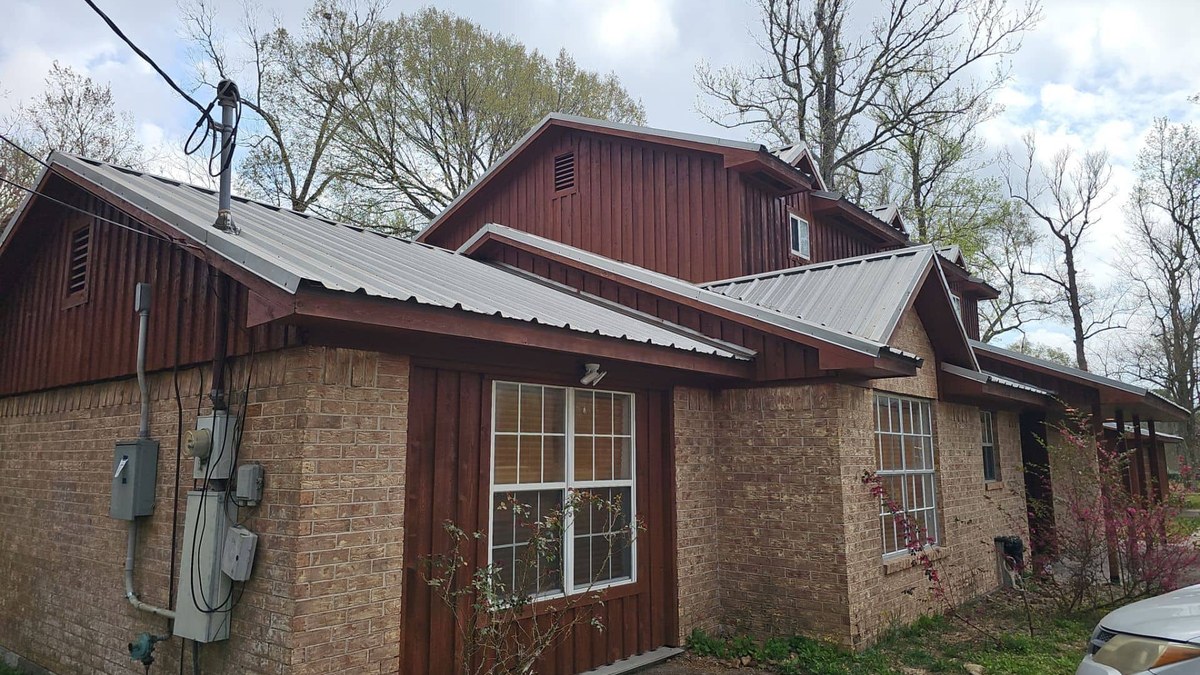
Not All Exteriors Are the Same
One of the biggest mistakes homeowners make is treating every exterior the same. Stucco, wood, and brick all have different:
- Strengths
- Weaknesses
- Maintenance needs
What works for one can fail on another. Understanding your exterior type is key to making the right decisions.
Why Your Exterior Type Matters
Your home’s material determines:
- How it handles moisture
- How it reacts to heat
- What kind of protection it needs
- How long paint or coatings will last
Using the wrong system can lead to early failure.
Stucco Homes What Makes Stucco Unique Stucco is one of the most common exteriors in Texas.
It’s durable—but also prone to:
- Hairline cracks
- Moisture intrusion
- Surface movement
Common Problems With Stucco
- Cracking over time
- Water getting behind the surface
- Staining and discoloration
Even small cracks can turn into bigger issues if ignored.
Best Protection for Stucco
Stucco performs best with:
- Crack-resistant systems
- Elastomeric coatings
- Proper sealing and prep
Coatings are often the best long-term solution because they:
- Bridge small cracks
- Create a stronger moisture barrier
Maintenance Tips for Stucco
- Inspect for cracks regularly
- Seal problem areas early
- Keep surfaces clean
Wood Siding Homes What Makes Wood Different Wood is one of the most vulnerable exterior materials.
It is:
- Highly affected by moisture
- Prone to rot and warping
- Requires consistent maintenance
Common Problems With Wood
- Rot and decay
- Peeling paint
- Swelling and shrinking
- Insect damage
Wood requires more attention than other materials.
Best Protection for Wood
Wood needs:
- Strong sealing and priming
- High-quality paint systems
- Regular maintenance
Unlike stucco, coatings are less common here—paint systems are typically preferred when done correctly.
Maintenance Tips for Wood
- Repaint on schedule (don’t delay)
- Fix peeling areas immediately
- Keep moisture away from surfaces
Brick Homes What Makes Brick Unique Brick is durable—but not maintenance-free.
It is:
- Porous (absorbs water)
- Strong structurally
- Often underestimated in terms of maintenance needs
Common Problems With Brick
- Moisture absorption
- Efflorescence (white staining)
- Cracking in mortar joints
- Water intrusion over time
Best Protection for Brick
Brick often benefits from:
- Breathable coatings
- Waterproofing systems
- Sealing to reduce moisture absorption
Important: Brick needs to breathe, so using the wrong product can trap moisture.
Maintenance Tips for Brick
- Monitor mortar joints
- Address moisture issues early
- Clean staining before it spreads
Key Differences Between Stucco, Wood, and Brick
Moisture Resistance
- Stucco: Moderate (cracks allow entry)
- Wood: Low (absorbs moisture easily)
- Brick: High structure, but porous
Maintenance Level
- Stucco: Moderate
- Wood: High
- Brick: Low to moderate
Best System
- Stucco: Coatings
- Wood: Paint systems
- Brick: Breathable sealers/coatings
What Most Homeowners Get Wrong
Many people:
- Use the same product across all surfaces
- Ignore small issues specific to their material
- Delay maintenance
This leads to:
- Premature failure
- Higher costs
- Avoidable damage
How Texas Weather Impacts Each Material
In Montgomery County:
- Stucco: Expands, cracks, absorbs moisture
- Wood: Warps, rots faster in humidity
- Brick: Holds moisture if not sealed properly
Each material reacts differently—but all are affected.
When to Upgrade Your System
You may need a better solution if:
- Your current paint keeps failing
- Cracks are becoming more common
- Moisture issues are appearing
This is especially true for stucco homes—where coatings can make a major difference.
How to Choose the Right Approach
The right system depends on:
- Your exterior material
- Current condition
- Long-term goals
There is no one-size-fits-all solution.
What a Professional Will Do
A quality contractor will:
- Identify your exterior type
- Inspect for material-specific issues
- Recommend the right system for that surface
Not just apply the same approach to every home.
Final Thoughts: Match the System to the Surface
Your home’s exterior isn’t generic—your solution shouldn’t be either. Stucco, wood, and brick all require different strategies to:
- Last longer
- Perform better
- Stay protected
Using the right system for your material is what makes the difference long-term.
Get a Free Exterior Assessment
If you’re not sure what your home needs based on its material, the best step is a professional evaluation. We’ll inspect your exterior, identify material-specific issues, and recommend the right system for long-term performance. Contact Trinrez today to schedule your free exterior assessment in Montgomery County.