
Trinrez Blog
Montgomery County Guide
How to Plan a Home Remodel Without Going Over Budget
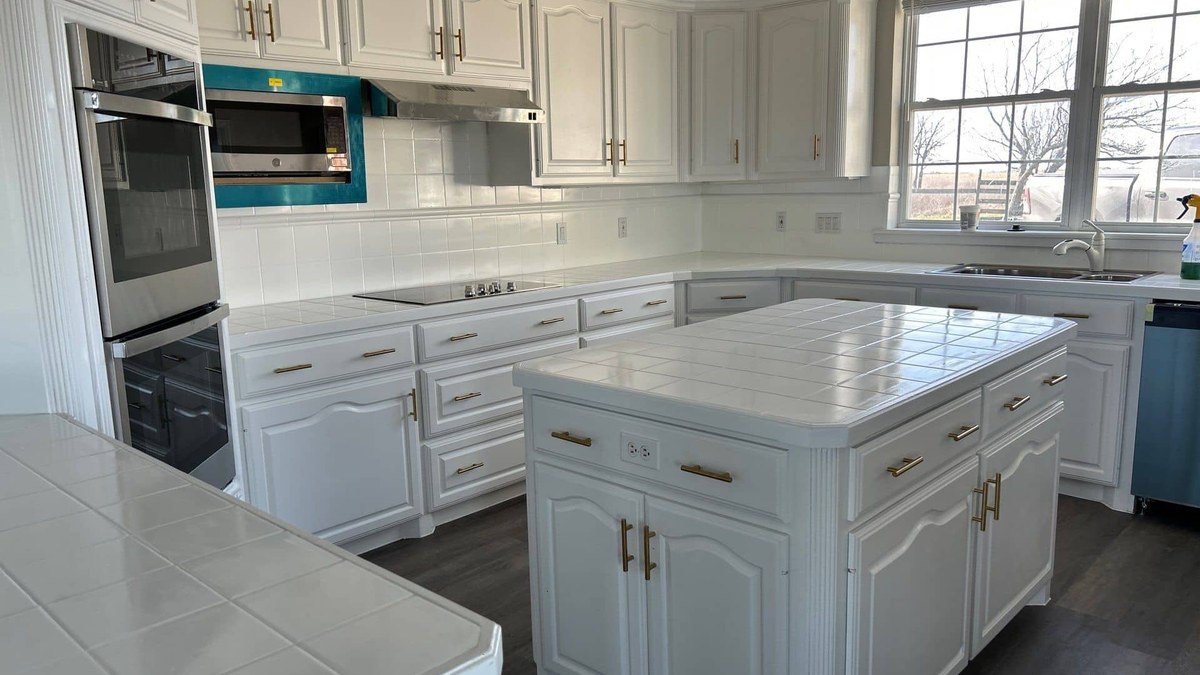
Why Most Remodels Go Over Budget
Going over budget doesn’t happen by accident.
It usually comes down to:
- Poor planning
- Scope changes
- Unexpected issues
- Choosing based on price instead of process
The goal isn’t just to set a budget—it’s to control it.
Start With a Clear Scope
Before anything else, define:
- What exactly is being done
- What areas are included
- What materials you want
Vague plans lead to:
- Missed details
- Added costs later
Clarity upfront saves money.
Set a Realistic Budget (Not a Wish Number)
Many homeowners start with a number they hope it costs.
Instead, base your budget on:
- Real project ranges
- Contractor input
- Material choices
Always Add a Buffer
Set aside:
- 10–20% contingency
This covers:
- Hidden damage
- Material changes
- Unplanned upgrades
Choose the Right Contractor (Not the Cheapest)
Low bids often lead to:
- Missed items
- Change orders
- Rework
A good contractor helps you:
- Plan accurately
- Avoid surprises
- Stay within budget
Lock in Materials Early
Changing materials mid-project is one of the fastest ways to increase cost.
Decide early on:
- Finishes
- Colors
- Fixtures
- Upgrades
Late changes = higher cost + delays
Avoid Scope Creep
Scope creep is when small additions keep getting added.
Examples:
- “Let’s just do this while we’re at it”
- Adding extra areas mid-project
This adds up quickly. Stick to the plan.
Understand What Drives Cost
The biggest cost drivers:
- Labor
- Materials
- Repairs
- Complexity
Knowing this helps you make smarter decisions on where to spend and where to scale back.
Plan for Hidden Issues
Especially in older homes, you may find:
- Water damage
- Structural issues
- Outdated materials
You can’t always see these upfront—but you should plan for them.
Get Detailed Estimates
A proper estimate should include:
- Full scope of work
- Materials listed
- Prep and process
- Timeline
If it’s vague, expect extra costs later.
Don’t Rush the Planning Phase
Fast decisions lead to:
- Mistakes
- Regret
- Expensive changes
Take time to:
- Review options
- Ask questions
- Finalize details
Focus on Value, Not Just Cost
Cutting costs in the wrong areas leads to:
- Poor quality
- Short lifespan
- More spending later
Spend where it matters:
- Prep
- Materials
- Skilled labor
Have a Clear Payment Structure
Avoid confusion by setting:
- Payment schedule
- Milestones
- Expectations
This keeps the project organized and controlled.
Communication Keeps Costs Down
Regular communication helps:
- Catch issues early
- Prevent misunderstandings
- Keep the project aligned
Silence leads to mistakes—and mistakes cost money.
What Most Homeowners Get Wrong
They:
- Underestimate total cost
- Change plans too often
- Choose based on lowest bid
That combination almost always leads to going over budget.
Simple Plan to Stay on Budget
- Define scope clearly
- Set realistic budget + buffer
- Choose the right contractor
- Lock in materials early
- Avoid mid-project changes
Do this, and you stay in control.
Final Thoughts: Control the Plan, Control the Cost
Budget overruns don’t just happen—they’re usually avoidable. The more detailed and prepared you are:
- The fewer surprises
- The smoother the project
- The better the outcome
Get a Free Remodeling Consultation
If you’re planning a remodel and want to make sure your budget is realistic and controlled from the start, we can help. We’ll walk your project, define scope, and give you a clear plan that keeps everything on track. Contact Trinrez today to schedule your consultation in Montgomery County.