
Trinrez Blog
Montgomery County Guide
Framing Basics: What Homeowners Should Know
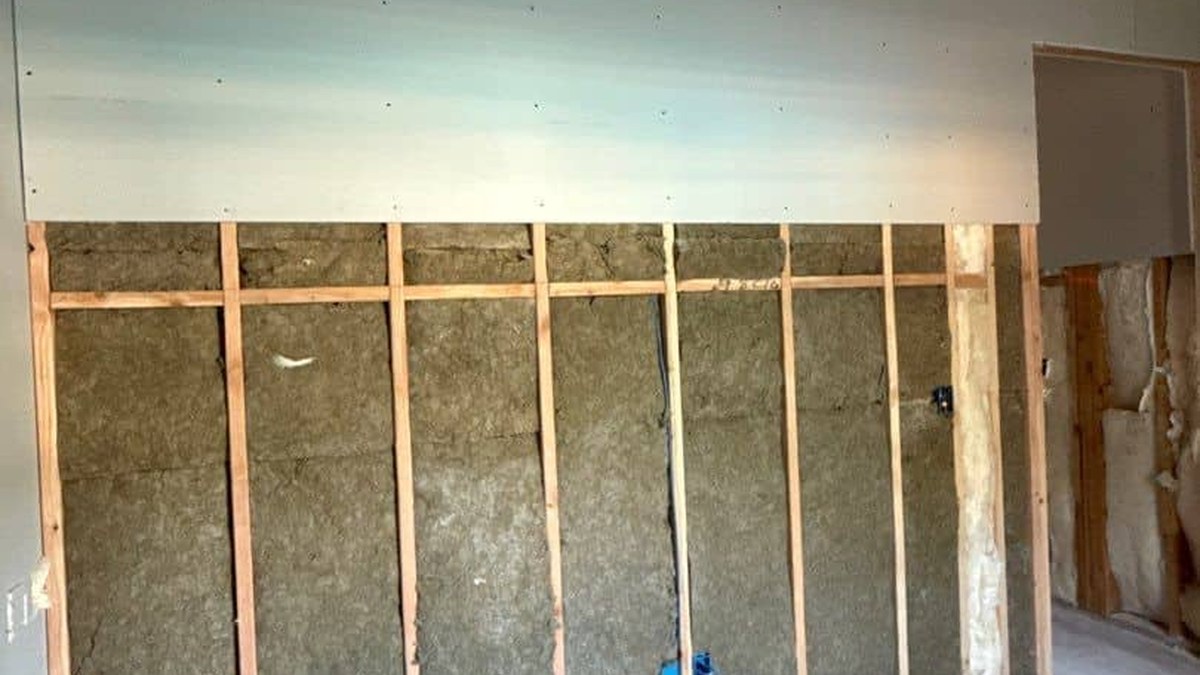
Framing Is What Holds Everything Together
Most homeowners never see it—but framing is one of the most important parts of any home.
It determines:
- Structural strength
- Layout and flow
- Long-term durability
If framing is done wrong, everything built on top of it is at risk.
What Is Framing?
Framing is the structural skeleton of your home.
It includes:
- Walls
- Floors
- Roof structure
Everything else—drywall, siding, paint—gets attached to it.
Why Framing Matters in Remodeling
During a remodel or addition, framing is often:
- Modified
- Extended
- Repaired
This is where structural integrity is either maintained—or compromised.
Types of Framing in Residential Homes
Wood Framing (Most Common)
- Standard in Texas homes
- Flexible and cost-effective
- Easy to modify during remodels
Steel Framing (Less Common)
- More durable
- Resistant to pests and moisture
- Higher cost
Key Components of Framing
Studs Vertical supports inside walls.
Joists Support floors and ceilings.
Rafters/Trusses
Support the roof structure.
Headers Support openings like doors and windows.
Every piece works together to distribute weight properly.
Signs of Framing Problems
Homeowners should watch for:
- Uneven floors
- Cracks in walls
- Doors not closing properly
- Sagging ceilings
These can indicate structural issues.
Framing in Additions and Expansions
When adding onto a home:
- New framing must tie into existing structure
- Load must be distributed correctly
- Alignment must match the original build
Poor integration leads to long-term issues.
Why Proper Framing Matters for Exterior Work
Even exterior upgrades rely on solid framing.
For example:
- Siding needs stable backing
- Trim must align properly
- Coatings perform better on solid surfaces
If framing is weak, finishes won’t last.
Building Codes and Framing
Framing must meet local building codes.
This ensures:
- Safety
- Structural integrity
- Proper load support
Skipping this leads to serious problems—especially during inspections or resale.
Framing and Texas Conditions
In Montgomery County, framing must handle:
- High humidity
- Heat expansion
- Heavy storms
Proper techniques and materials are critical for long-term performance.
Common Framing Mistakes
1. Improper Spacing
Weakens structural support.
2. Poor Load Distribution
Leads to sagging or shifting.
3. Cutting Corners on Materials
Reduces durability.
4. Bad Integration in Additions
Creates uneven settling and cracks.
Why You Shouldn’t Cut Costs on Framing
Framing isn’t visible—but it’s not where you save money. Cheap or rushed framing can lead to:
- Expensive repairs
- Structural issues
- Reduced home value
How to Know Framing Is Done Right
A professional contractor will:
- Follow code requirements
- Use proper spacing and materials
- Ensure everything is level and aligned
- Tie new work into existing structure correctly
What Most Homeowners Get Wrong
They focus on:
- Finishes (paint, flooring, design)
And ignore:
- Structure underneath
But framing is what determines how everything performs long-term.
When Framing Needs to Be Updated
Framing work may be needed if:
- You’re doing an addition
- Walls are being moved
- Structural damage is present
- Major exterior work is being done
Final Thoughts: Structure First, Everything Else Second
A home is only as strong as its framing. You may not see it—but it affects:
- Safety
- Durability
- Overall quality
Get this part right, and everything else works better.
Get a Free Project Assessment
If you’re planning a remodel or addition and want to make sure the structural side is handled correctly, we can help. We’ll evaluate your home and make sure everything is built on a solid foundation—before any finish work begins. Contact Trinrez today to schedule your consultation in Montgomery County.